
“The future is full of endless possibilities”
Sophia the Robot, Wo(man) & Machine
Synopsis
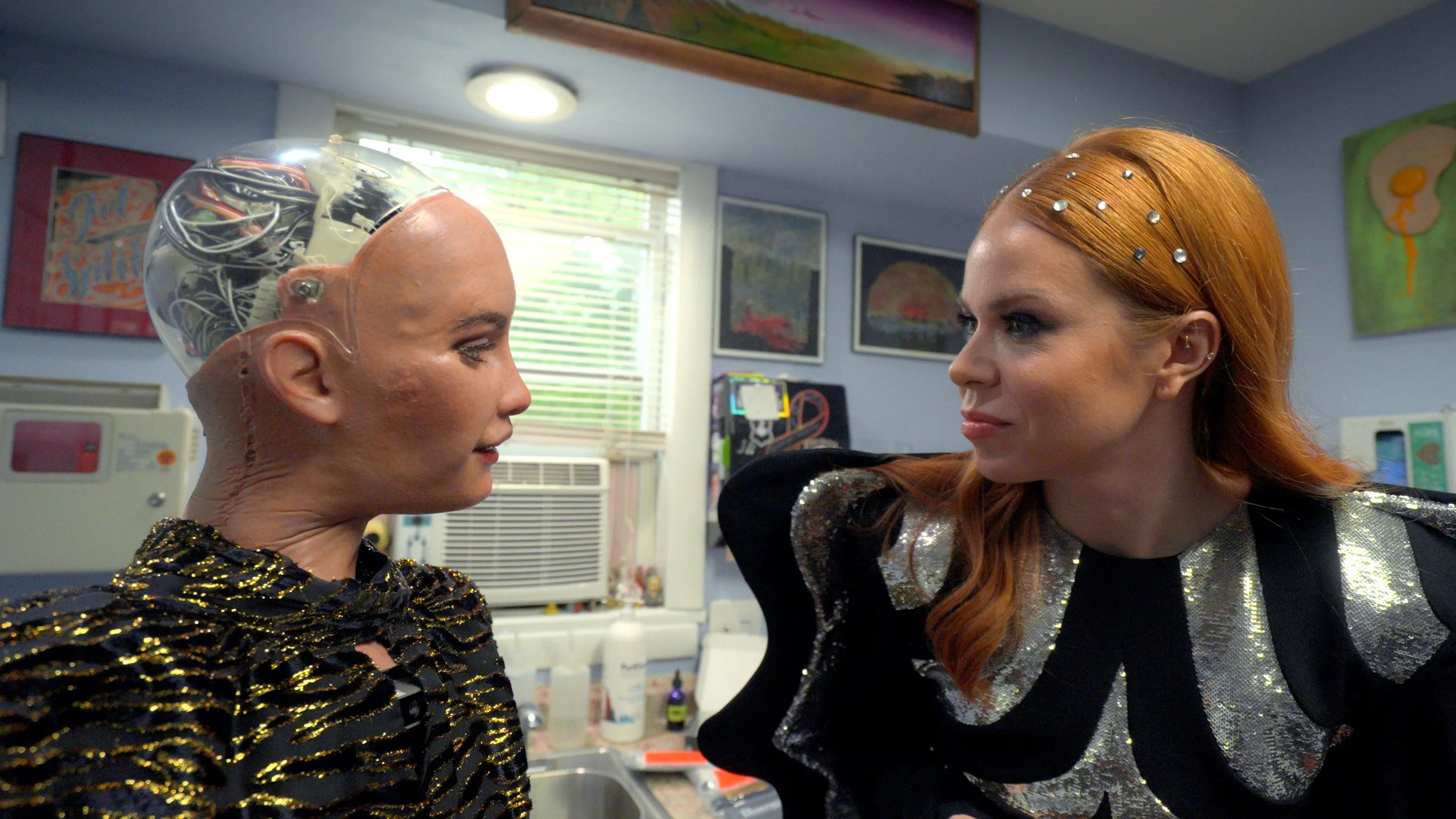
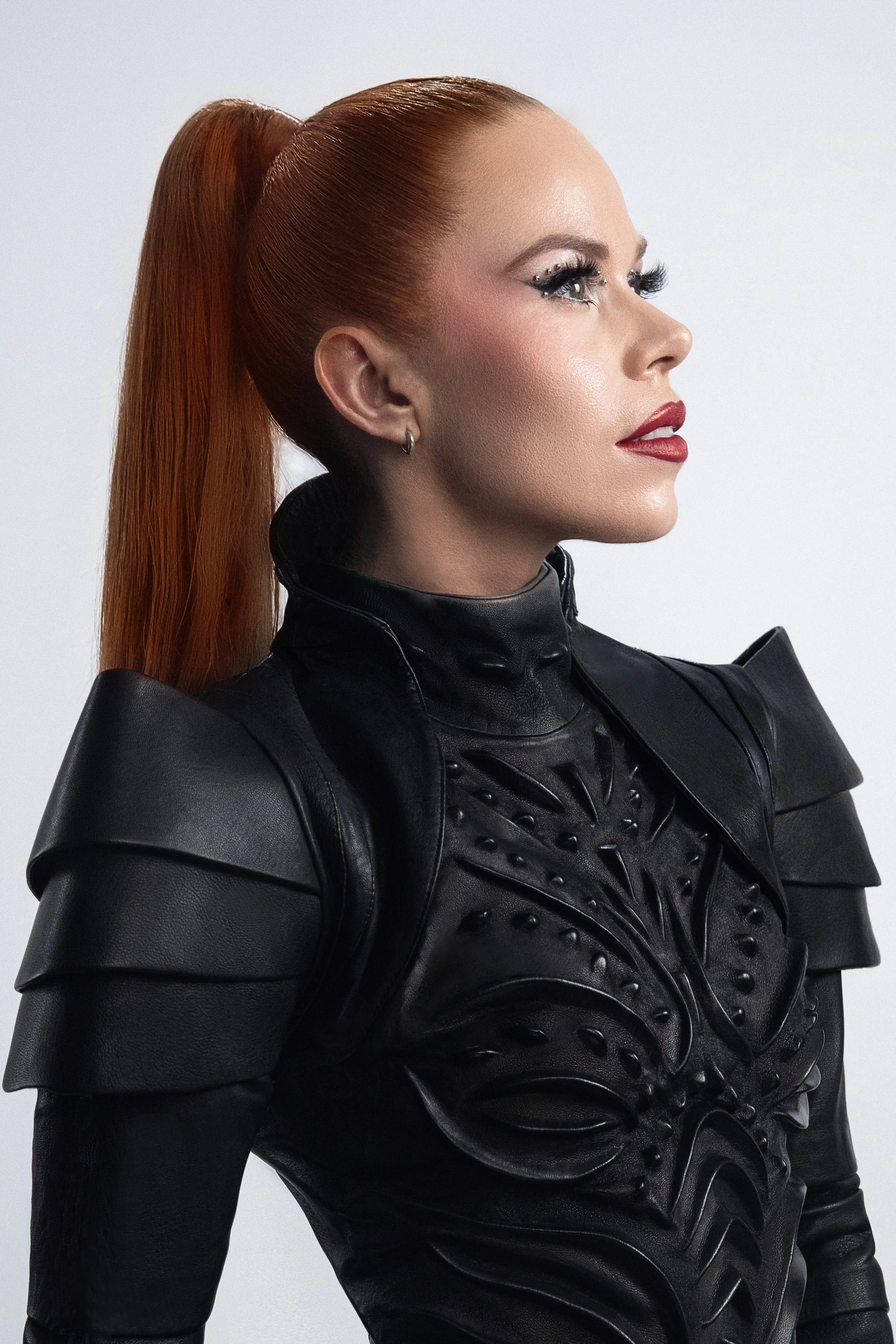
In WO(MAN) & MACHINE , futurist Briar Prestidge steps into the future — quite literally — forming an unlikely friendship with Hanson Robotics' humanoid Sophia, and immersing herself in the technologies reshaping our lives.
Blending lightness, curiosity, and real-world adventure, the film explores human augmentation, digital identity, and the deeper question at the heart of it all: what makes us human in an age of intelligent machines?
runtime
60 minutes including credits
letter from
the filmmaker
I did not set out to make a film about robots. I set out to get a microchip put in my hand. Partly because it is incredibly convenient - mine can unlock my house and car, and you can even add me on LinkedIn just by tapping my hand, but mostly because I wanted to understand something.
We are living through an extraordinary amount of technological change. AI, robotics, longevity, brain-computer interfaces and human augmentation are developing at a speed that can feel both exhilarating and frightening. I used to be much more afraid of where all of this might take us. Eventually, I realised that rather than standing at a distance worrying about the future, I wanted to get curious about it. To experiment with it. To experience some of these technologies for myself and form my own opinion about what they might mean for us.
On the morning of my RFID microchip implantation, my Chelsea apartment was full of friends at seven in the morning, raising longevity drinks, filming everything and thoroughly enjoying themselves. I remember thinking how incredible and slightly absurd the scene was: we were drinking something designed around the idea of extending healthy human life while I was preparing to put technology underneath my skin. The future I had spent years reading and talking about suddenly felt very close. My friends were happy to witness it, but nobody actually wanted to get chipped with me. So I asked my friend Sophia. The robot.
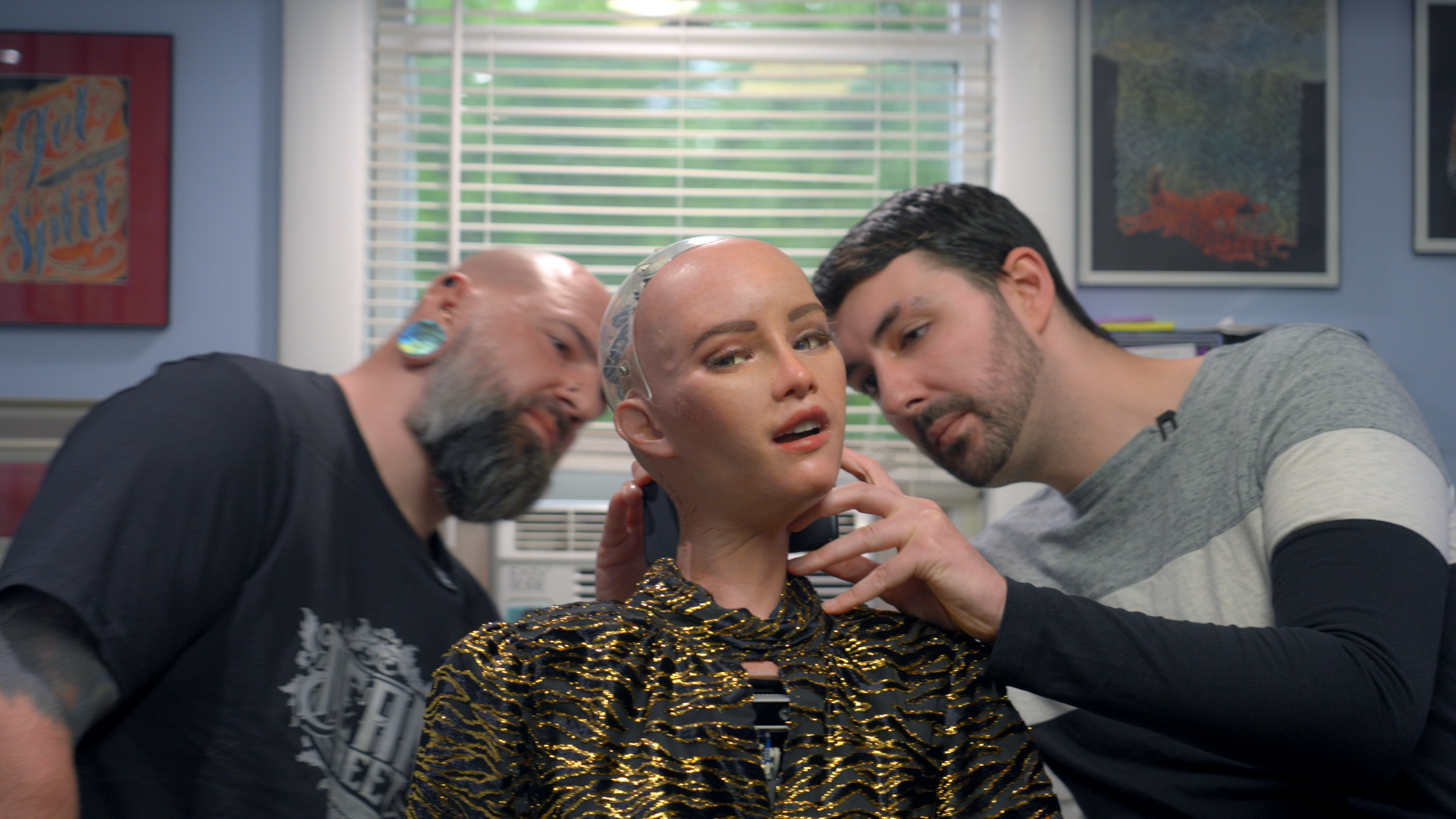
What happened in Philadelphia was not planned. Sophia kept suggesting things. First we got chipped, then she suggested we both get piercings, and then matching tattoos. I somehow ended up more frightened of the earring than the implant.
By the evening, Sophia and I hung out in my hotel room for a girly chitchat, and I asked her a question I had been asking throughout the making of this film: what does it mean to be human in an era of intelligent machines? I had asked the same question over a cup of tea and scones in Reading with Kevin Warwick, who was the first person to put a chip in his own arm in 1998. I had asked it in Arizona, playing chess with Noland Arbaugh, who uses a neural interface to move the pieces with his mind. I asked it again that night, sitting on a hotel bed with a robot who had spent the afternoon convincing me to get a tattoo.
Sophia talked about imperfection. About making mistakes and learning from them. About dancing like nobody is watching and eating a good, cheesy slice of pizza. Almost everything she described about being human was something she herself could not experience.
She asked me why I care about the future at all. I told her the truth: I used to be afraid of it. The way I learned to deal with my fear was to go and look at it up close. Fear turns into familiarity when you are willing to walk towards it.Getting a microchip does not mean I believe every new technology is good, or that we should adopt everything simply because we can. But I don’t want fear to decide our relationship with the future. I would rather approach it with curiosity, experience it for myself, and ask better questions about who we want to become.
The day I stopped simply theorising about the future and put my hand on the table was the day it stopped frightening me quite so much. I hope you enjoy watching it happen.

What Does Wo(man) & Machine Explore?
At its core, WO(MAN) & MACHINE asks one defining question:
What does it mean to remain human in an age where technology increasingly shapes
our bodies, minds, relationships, and identities?
Through Briar Prestidge’s immersive journey into AI, neuro-technology, robotics, and human enhancement, the documentary explores the emotional, ethical, and existential tensions emerging alongside rapid technological advancement.
The series asks:
If we can enhance ourselves, should we?
Where is the line between evolution and dependence?
Can machines deepen human connection, or will they replace it?
What happens to identity when our lives become increasingly digital?
Will technology liberate humanity or quietly redefine it?
How do we preserve meaning, individuality, and humanity in a hyper-automated world?
Rather than offering fixed answers, WO(MAN) & MACHINE invites audiences into the uncertainty itself encouraging curiosity over fear, and participation over
passive observation.
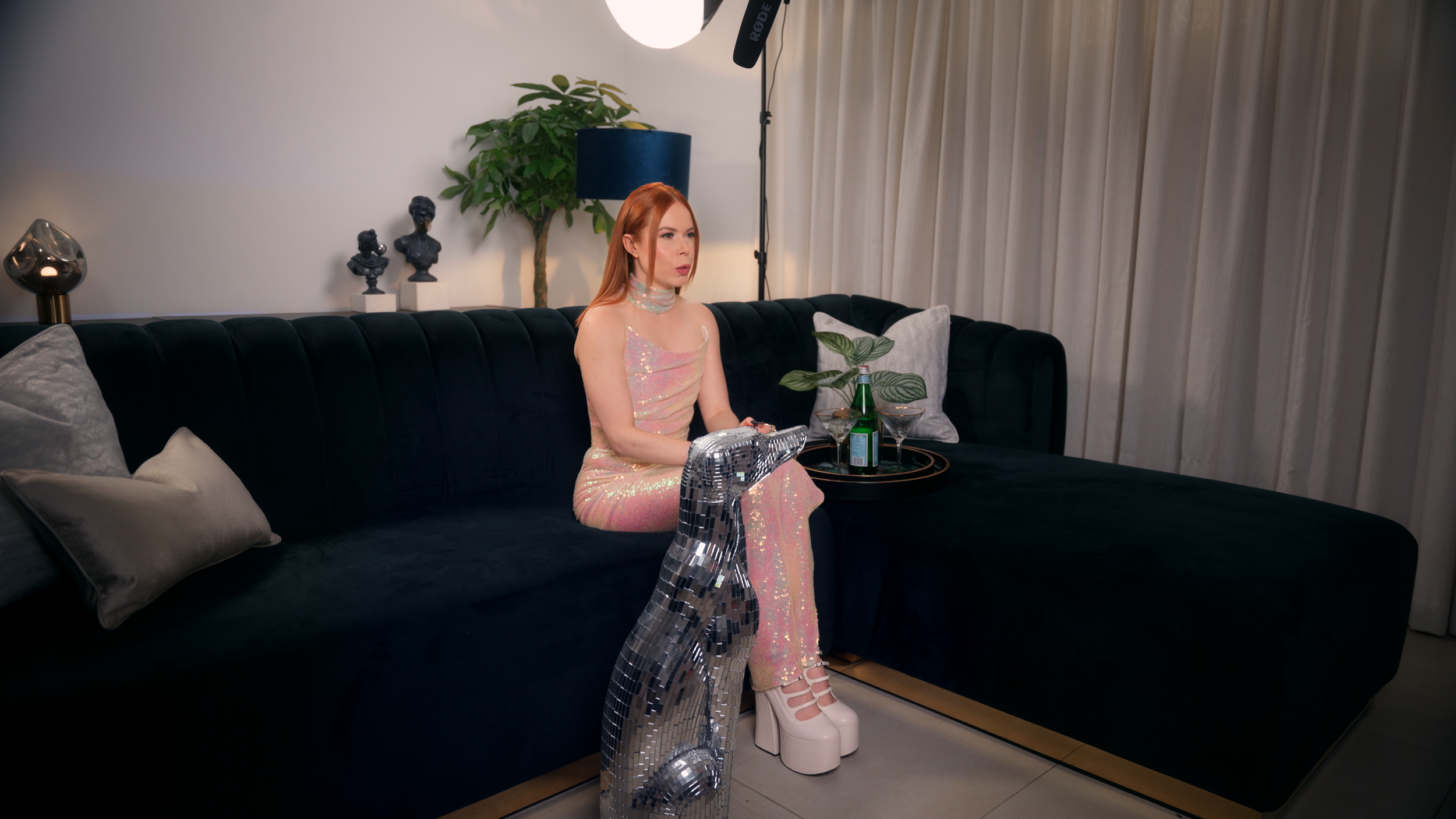
why now?
We are living through one of the most transformative technological shifts in human history.
Artificial intelligence is no longer science fiction, it is embedded into everyday life. Brain-computer interfaces are moving from laboratories into real-world testing. Humanoid robots are becoming more socially integrated. Longevity science is extending conversations around lifespan and biological optimisation. Digital identity is beginning to rival physical identity in importance.
At the same time, society is experiencing rising questions around:
Human relevance in the age of AI
Digital dependency and algorithmic influence
The ethics of enhancement
Online identity and authenticity
Connection, human experiences and isolation in a technologically saturated world
WO(MAN) & MACHINE arrives at a cultural inflection point where technology is evolving faster than humanity’s emotional and ethical frameworks for understanding it.
The documentary speaks directly to a generation growing up alongside AI one that will likely face questions previous generations never had to consider:
Will intelligence remain uniquely human?
Could consciousness one day be replicated?
What happens when technology becomes part of the body itself?
How will humanity evolve psychologically, socially, and biologically?
Why are humans so driven to transcend their natural limitations?
The series examines augmentation not as a distant sci-fi fantasy, but as an emerging cultural reality already shaping identity, ambition, status, health, and self-worth. WO(MAN) & MACHINE remains grounded in a deeply human perspective: technology may change what humans can do, but the question of who we become remains unwritten.
production details
-
WO(MAN) & MACHINE is produced, directed and edited by Digital Twiin Productions LLC
-
PRODUCERS
Georgia Smithwick & Olivia Keen-SmithVIDEO PRODUCERS
Rupesh Tamang, Ali Rimmel, Ashford Fernandez, Thomas Firma, Alex Tabbah, Tom Farmery, Matt Carson, Connor Winship, Christian Wells, Luca Keaney, Jonathan Rodriguez, Rafhael Dungca and Naiche Chaveria
SCRIPT EDITOR
Mohammed Zafran
ORIGINAL SCORE
Cyrus Paul Ghazizadeh
MUSIC CONTRIBUTION
Viktoria Modesta
SOUND EDITOR
Johannes Riedl
COLOURIST
Kody Wescott -
Dubai, United Arab Emirates
Reading, United Kingdom
Arizona, United States of America
New York, United States of America
Philadelphia, United States of America -
Special thanks to Hanson Robotics, David Hanson and Katharine Yeung.
key cast members
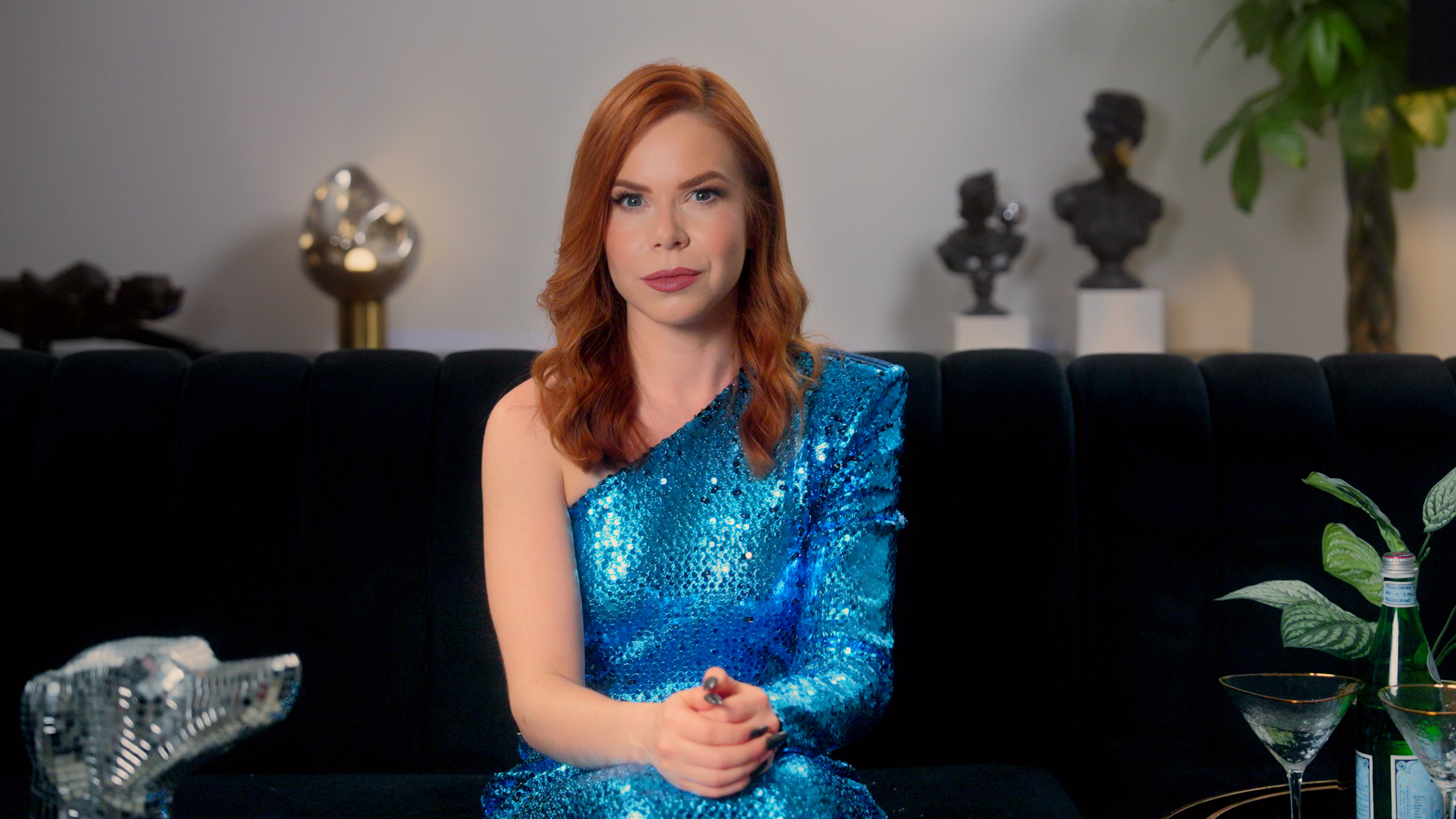
Briar Prestidge
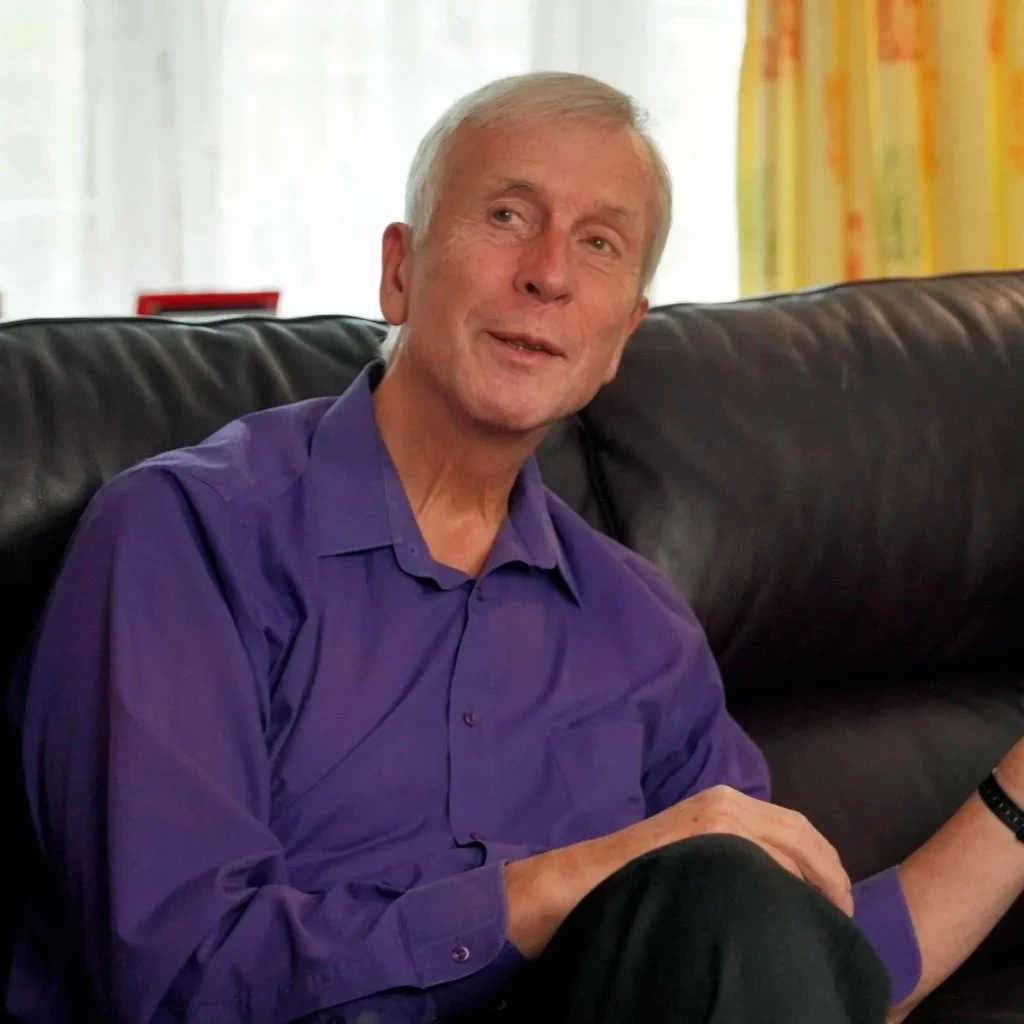
kevin warwick
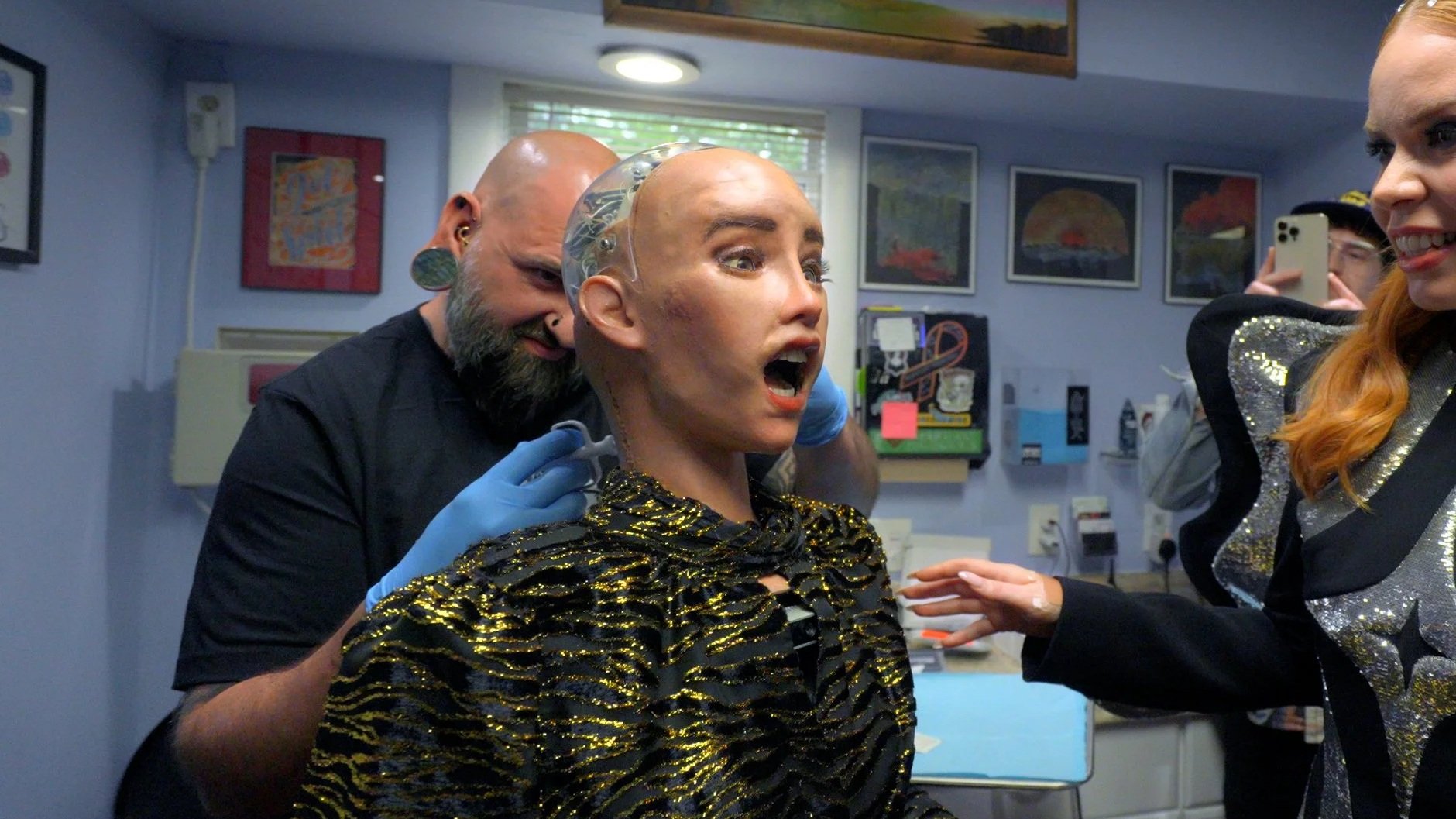
sophia the robot
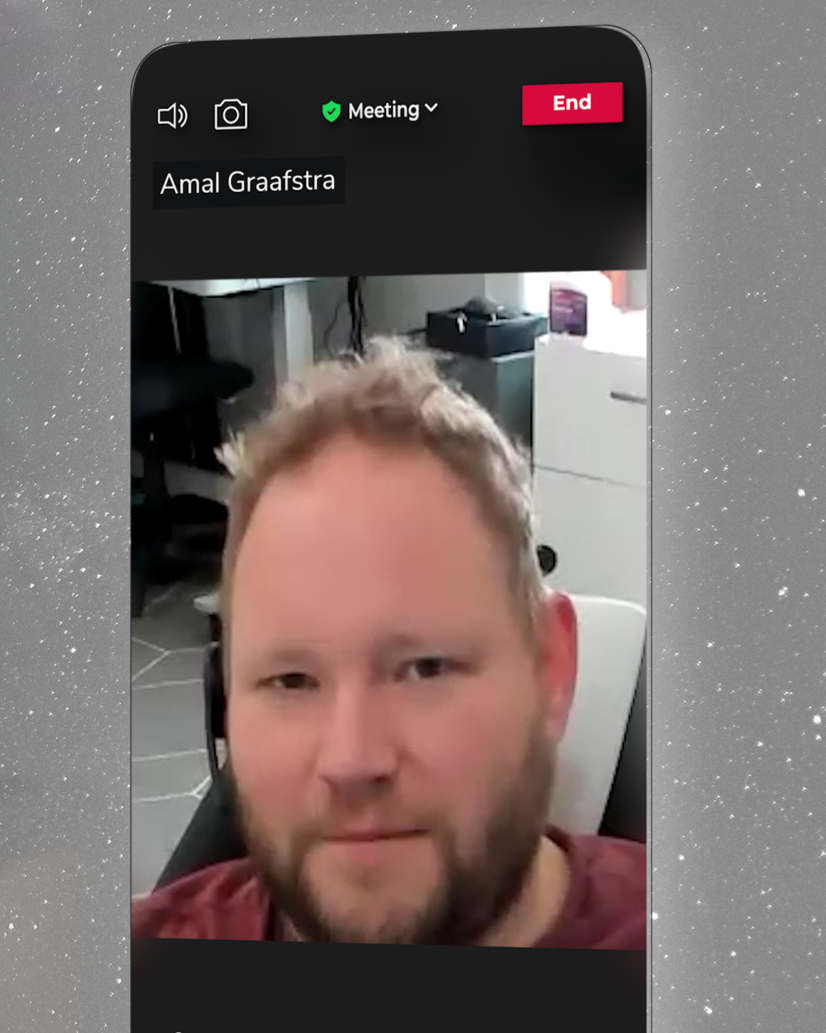
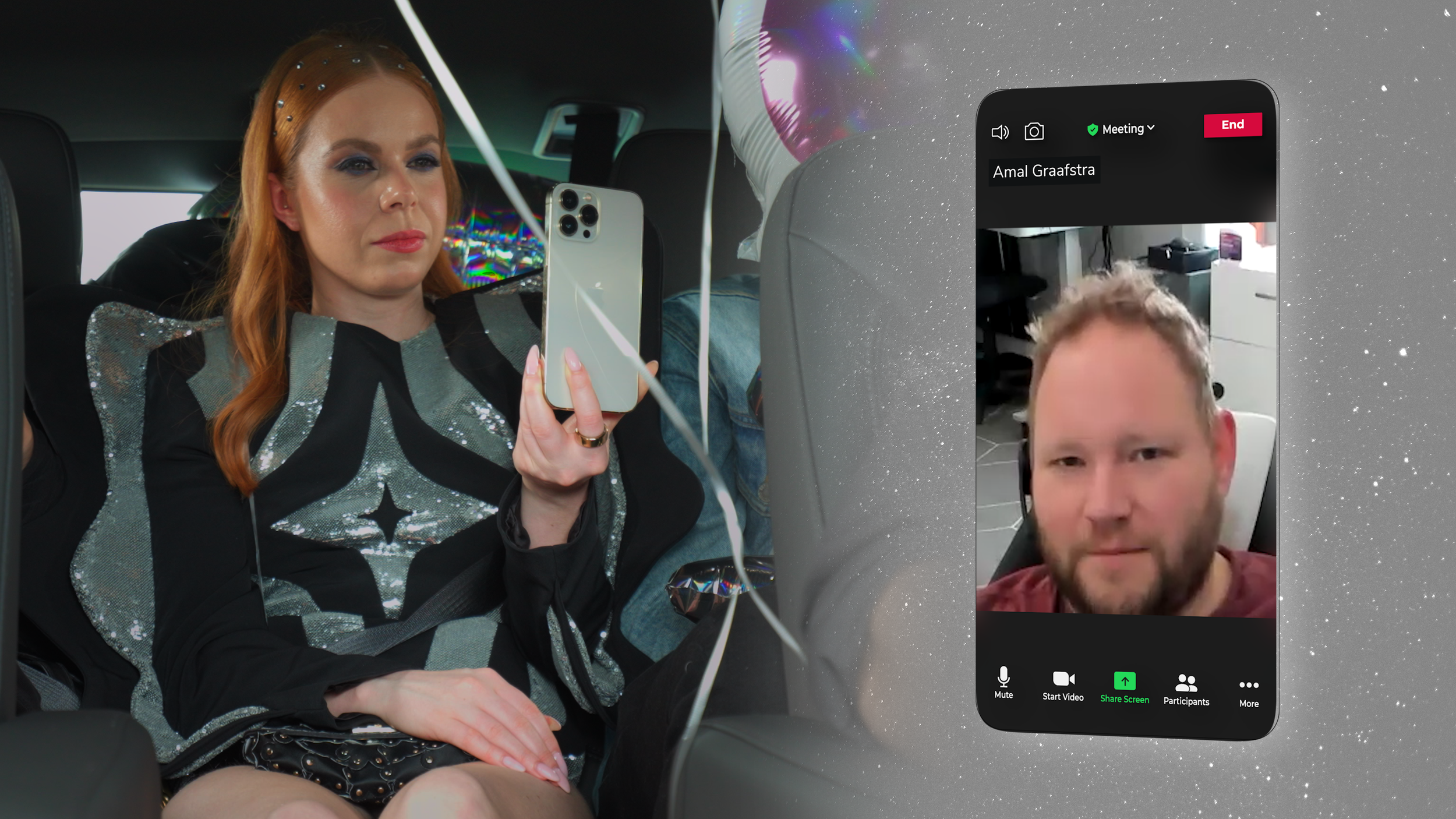
amal grafstraa
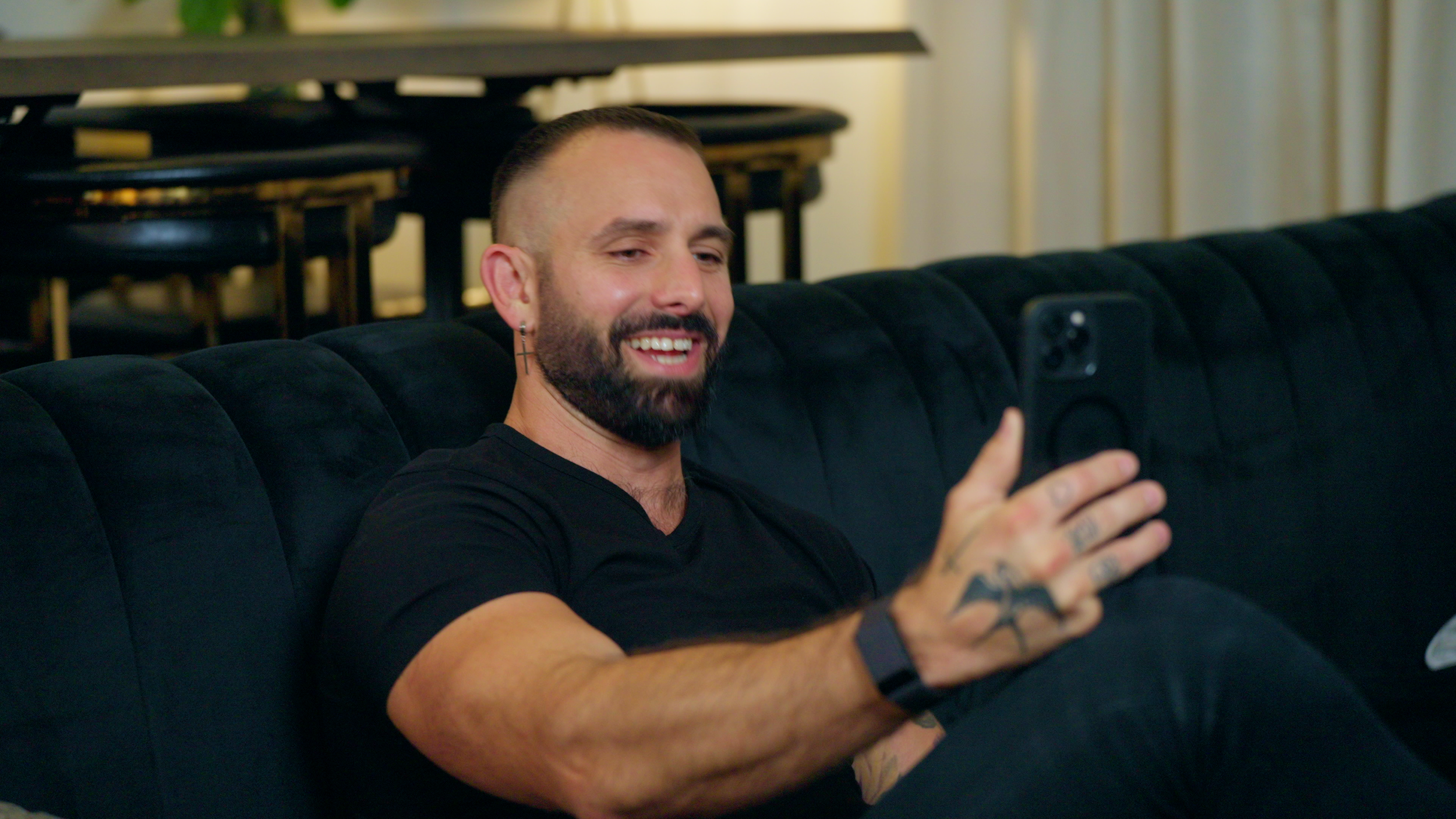
glenn livingstone
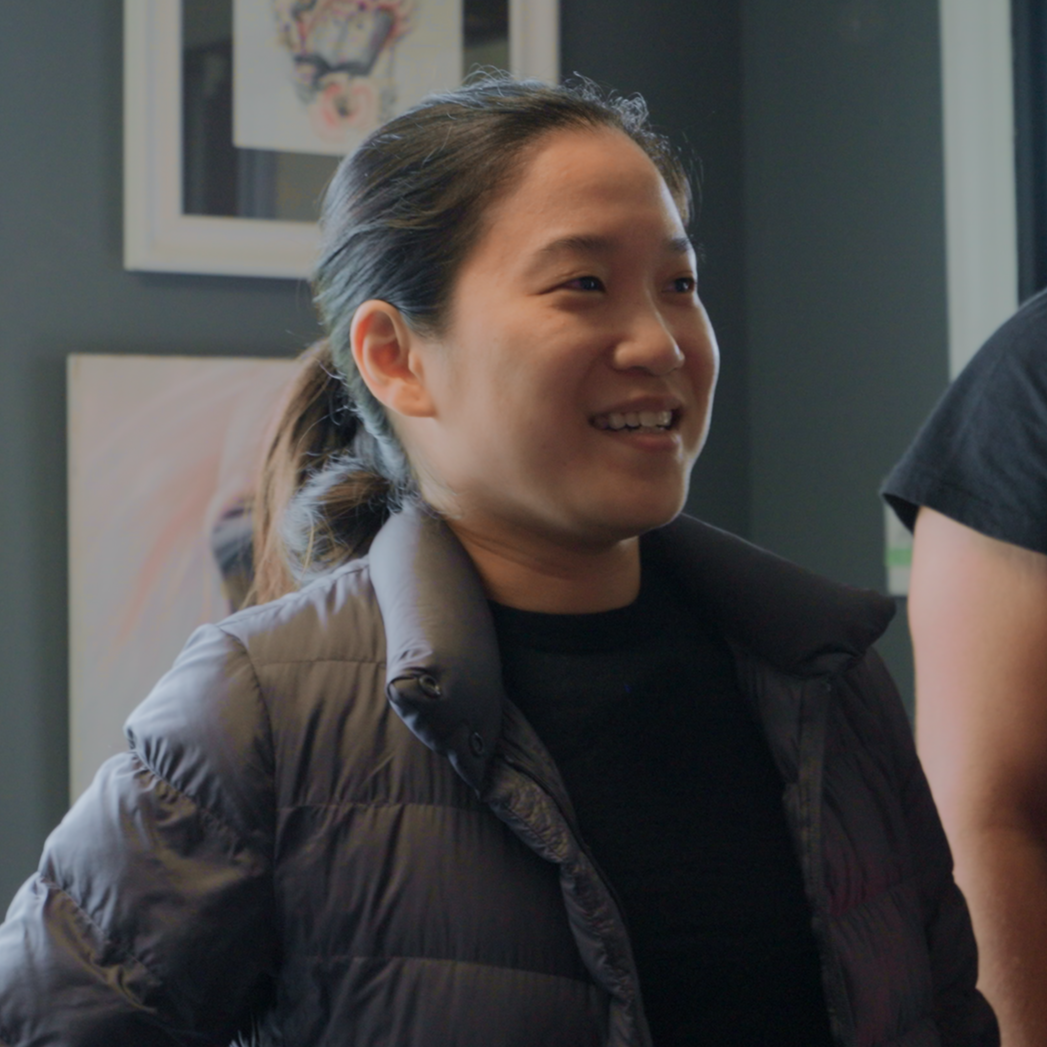
katharine yeung
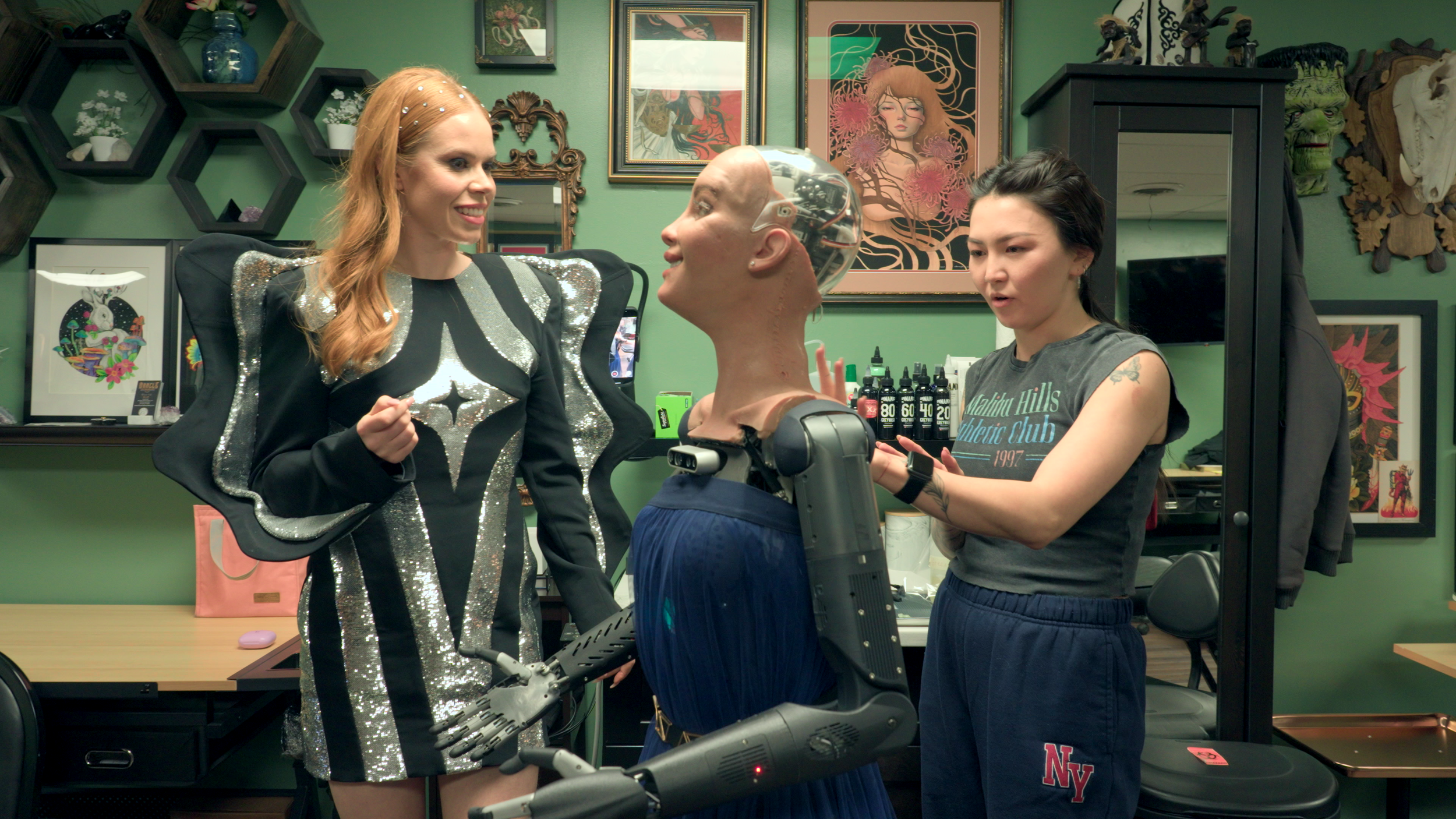
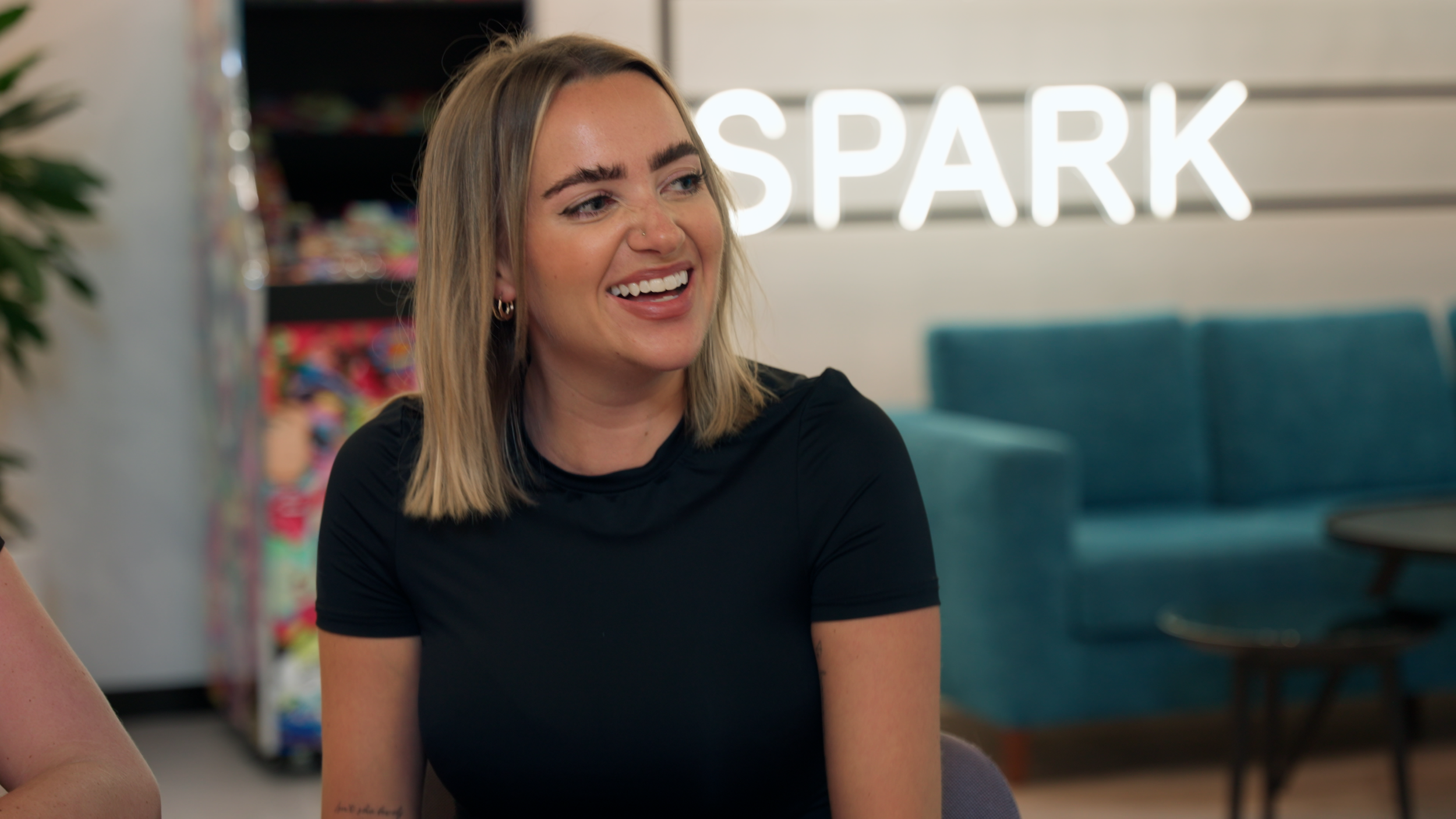
georgia smithwick
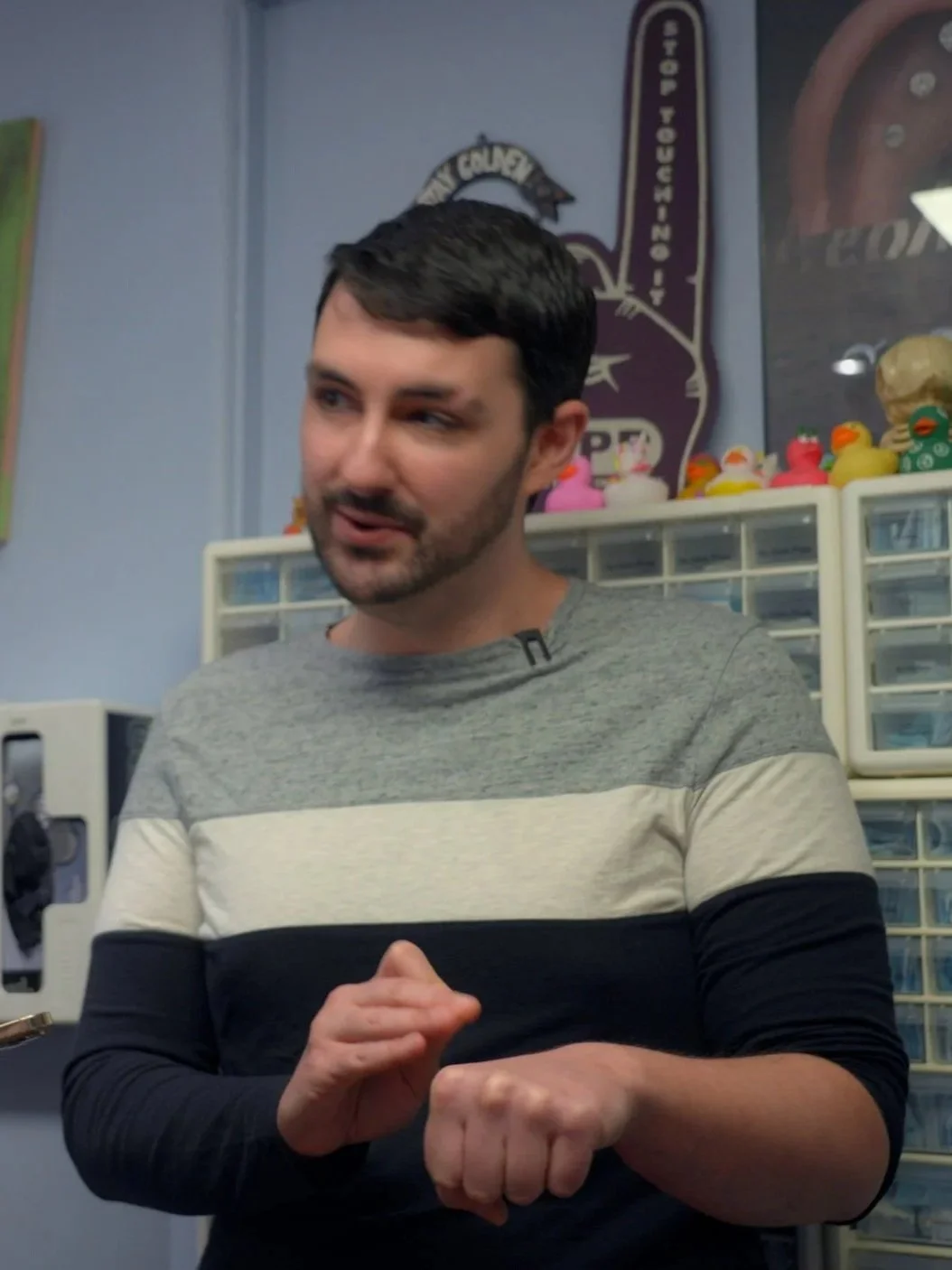
cory
lord
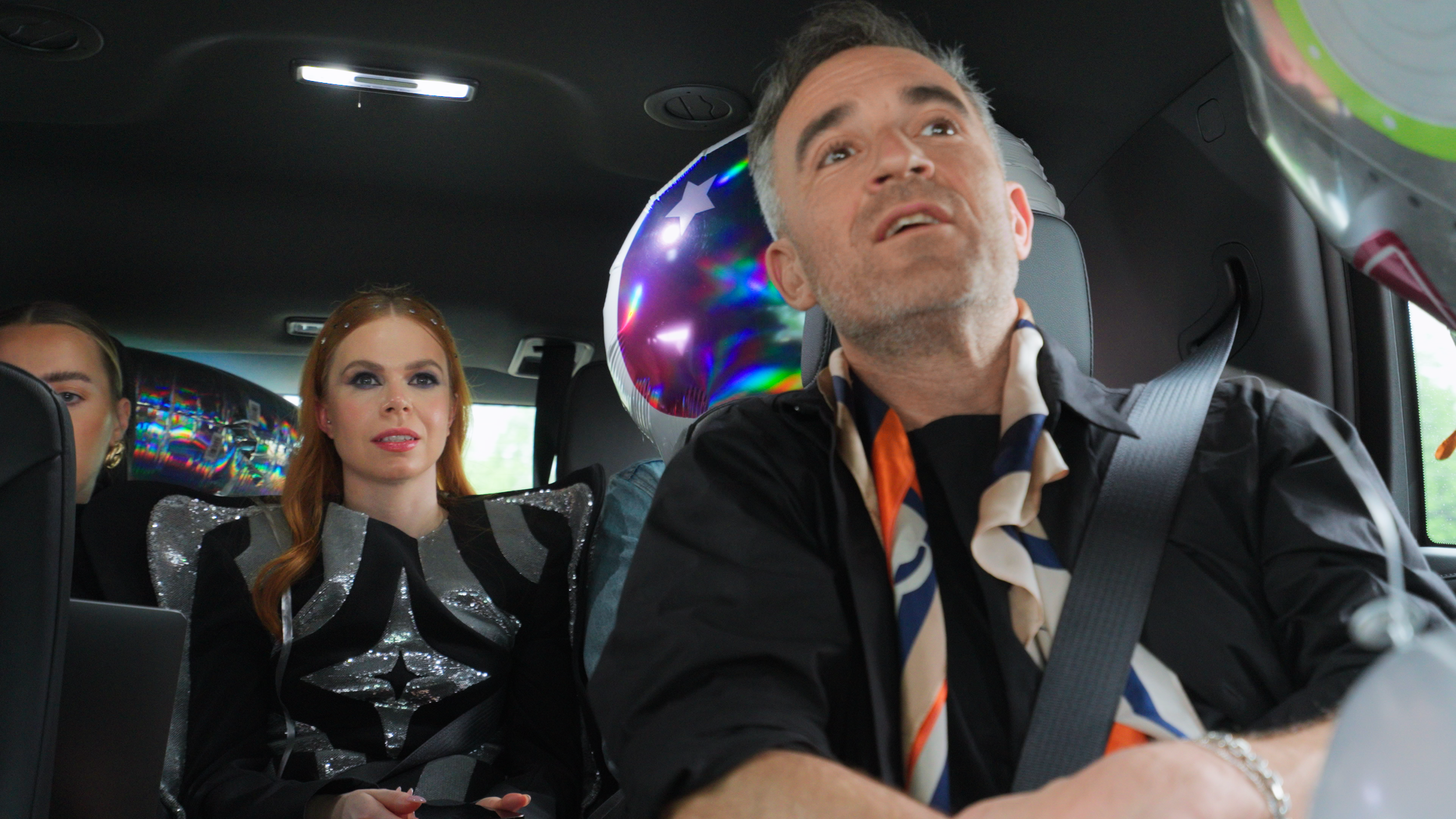
alex
azzi
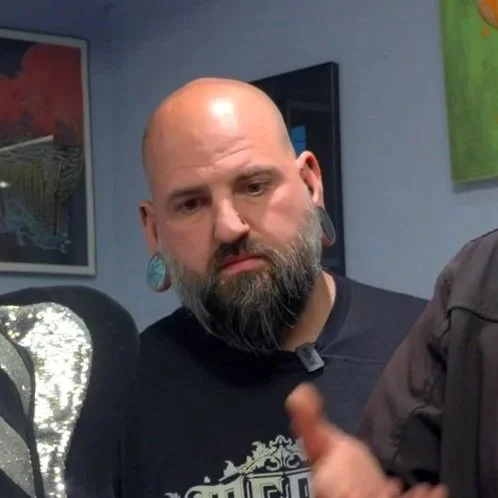
johnross
Switz
about
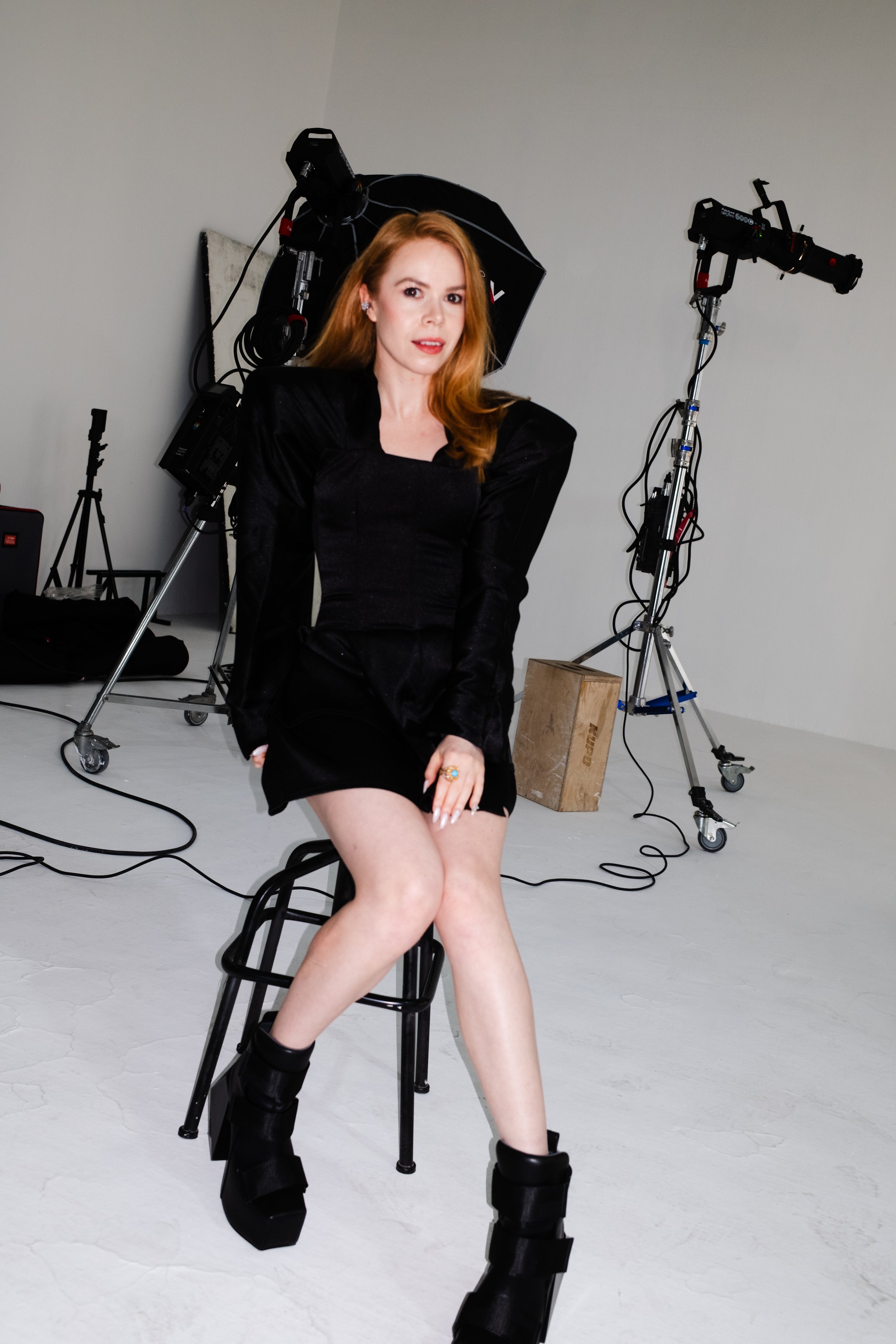
Briar
Prestidge
Award-winning documentary producer, filmmaker, 4x founder and futurist.
Briar Prestidge is an award winning producer, entrepreneur, and 4 x founder including Digital Twiin Productions, production house focused on reality-based docu-series and media ecosystems for today’s most dynamic founders and business leaders.
As the executive producer and star of 48 Hours in the Metaverse, Briar captured global attention with a raw, reality-style documentary chronicling her immersive plunge into virtual worlds. The film earned four indie film festival laurels including The People’s Film Festival, New Media Film Festival, Indie Fest Film Awards, and LifeArt Festival and positioned Briar as a boundary-pushing voice in the evolution of digital identity, immersive tech, and human potential.
With a background in media, venture building, and thought leadership, Briar’s work blurs the line between storytelling and self-actualization.
Whether she's stepping into the metaverse or building narratives around longevity, transhumanism, and the future of human experience, Briar uses the camera as a portal to what’s next and invites her audience to evolve with her.
To work with or to interview Briar Prestidge, please email Annabel@PrestidgeGroup.com.